|
Stronger With Time Together
Tools, tips, and movement for a life lived fully and freely.
|
|
|
|
How much should we be exercising? |
|
|
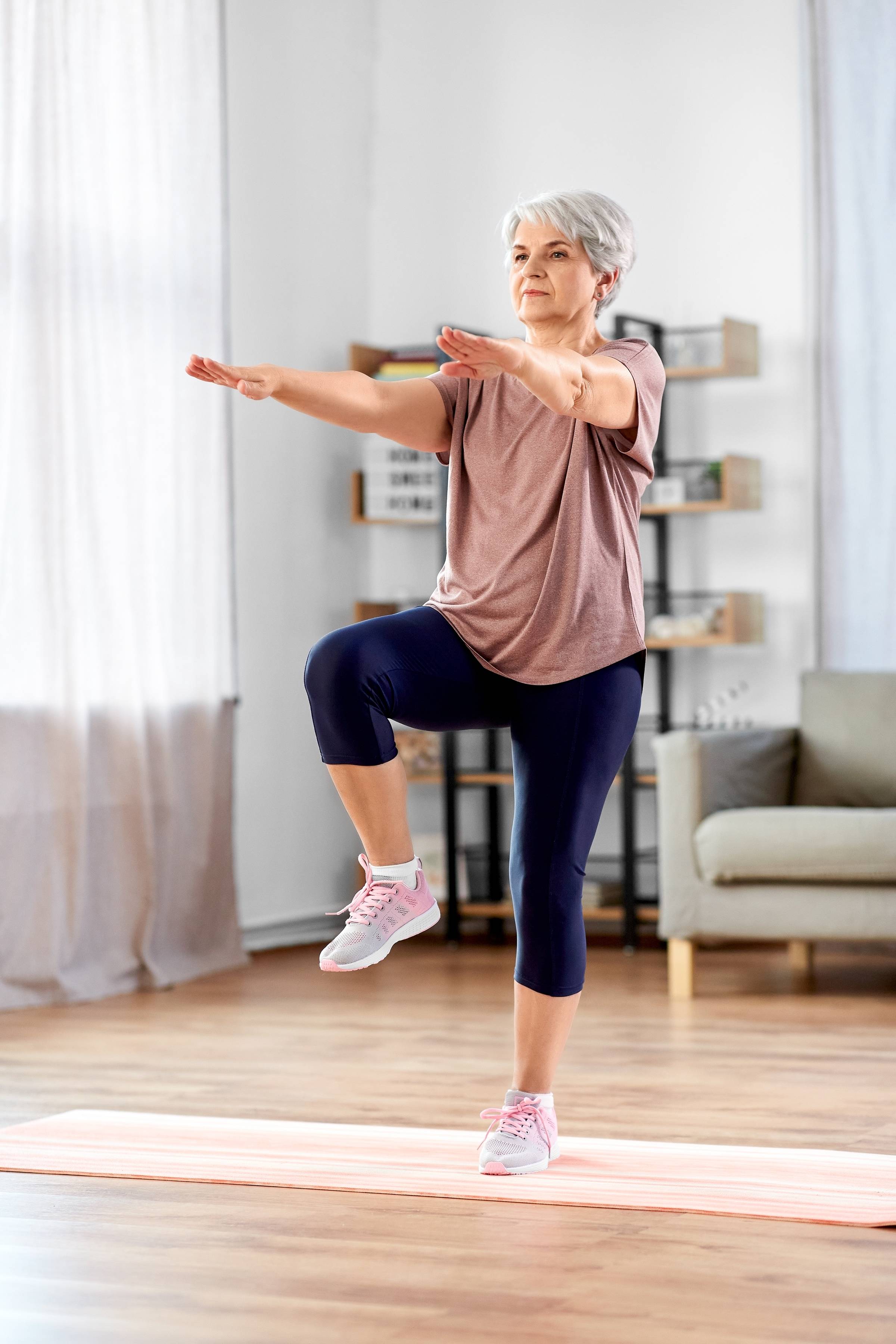
There are many types of exercise available today for all ages, all fitness levels, and each one has a its own benefit. For example, yoga offers balance and flexibility, Tai chi offers balance and relaxation, walking offers great cardio and stress management.
One of the necessities for building bone is that the strengthening is consistent and the resistance continues to increase every few weeks. How does OsteofitnessTM do this? The OsteofitnessTM program includes strength training with weights that are increased over time. In order to build muscle, resistance and strength training must include weight bearing exercise that can be progressively overloaded. When weight is added to an exercise your bones receive a force that makes them work harder. This stress leads to increase in bone density by increasing osteoblast (cells responsible for making bone) activity.
Exercises that elicit osteoblast activity include:
o Progressive Resistance Exercises defined as a physical conditioning program that will enhance fitness, health, and sports performance using different training modalities that include
o Weights
o Stability Balls
o Medicine Balls
o Elastic Bands
o Different movement velocities
Resistance exercises have been shown to be most effective when it is done at least twice a week. Resistance exercises also add stress to muscles that stimulate muscle protein synthesis and hypertrophy (increase in size).
Exercises that DO NOT elicit osteoblast activity/ LOW osteoblast activity BUT are good for you:
· Walking/Running
· Swimming
· Low impact exercises
· Tai Chi
· Dancing
· Non weight bearing exercises
Yoga, Tai Chi, and walking do not meet the requirements for bone building. You may round out your program with a weekly class in one of the above exercises, but they do not replace OsteofitnessTM. Another requirement for bone building is adherence to nutrition which is proven to assist in creating new bone cells. Vitamin D, calcium, and vitamin K are needed for adequate bone formation. Vitamin D can be taken as a supplement or by sunbathing for 15 minutes a day. Calcium is found in kale, spinach, milk, salmon, prunes, and almonds. Low calcium intake is associated with hip fractures, while too high an intake is associated with an increased risk of kidney stones. Magnesium taken either by supplement or by foods such as almonds, cashews, peanuts, raisin bran cereal, potato skin, brown rice, kidney beans, black beans, lentils, whole grain foods, and milk has shown to increase bone health. Vitamin K is important for bone health and the coagulation of blood. A deficiency of vitamin K is linked to problems osteopenia and fracture risks. Kale, collard greens, spinach, brussels sprouts, iceberg lettuce, and prunes are good sources of vitamin K.
Members who are reporting increased bone density have been in the program consistently and have taken on other activities, such as a yoga class or hiking or daily walks, but they have used these activities as an adjunct with the discipline of OsteofitnessTM. Resistance and strength training is needed at least twice a week in order to build strong bones and muscles! OsteofitnessTM includes strength and resistance training as well as balance and coordination training. This type of exercise has been proven to reduce fractures, strengthen bones, strengthen muscles, and improve balance that can save your life!
If you would like to discuss how you could incorporate other forms of fitness into your bone building, please email me and I would be glad to discuss it with you. Let’s stay healthy and strong together!
|
|
|
Concord Osteoporosis Classes
 |
$199.00 / month
Osteofitness **IN PERSON** - Monthly Session
Session Information:
Tuesdays and Thursdays
12:30 pm EST... Read more |
 |
$199.00 / month
Osteofitness **ZOOM** - Monthly Session
Session Information:
Tuesdays and Thursdays
11:00 am EST OR 4:00 pm EST... Read more |
|
|
|
Food is the best medicine, and one proven way to improve health is through nutrition. Superfoods are foods are high in nutrients and antioxidants and have numerous health benefits.
For bone health, almonds are a source of calcium and magnesium, making them an excellent food for osteoporosis. The calcium in almonds can also aide in muscle function. For other nutrients almonds are a source of B complex vitamins one through six, biotin, copper, iodine, iron, manganese, phosphorus, potassium, selenium, zinc, linolic acid, antioxidants and omega-6.
Almonds are a top source of vitamin E, with 24mg for 100g. This vitamin works internally by boosting immunity and protecting heart by preventing “bad” cholesterol from sticking to artery walls. It also protects from harmful free radicals that cause cellular damage.
Applied externally, almond oil can help preserve skin elasticity and repair damage, treating conditions such as inflamed skin, post-operative scarring, soothing itchy skin and dermatitis.
Finally, it can improve skin complexion and tone. It is a source of vitamin A (retinol) which is essential for skin in addition to vitamin E. This acts as a preventive measure against aging of the
skin. Almond oil can also be applied to the hair for moisturizing hair and scalp, and taming frizz. It is excellent for hair, repairing damage from dry hair and relieving symptoms of an itchy
scalp.
The plant sterols and monosaturated fats in almonds also can reduce risk of heart disease and promote a feeling of satiety after eating. Other nutrients called phytochemicals protect against
cancer and tumors. The proteins in almonds are necessary for cellular growth and repair. Finally, almonds are high in dietary fiber, which promotes healthy digestion, prevents hunger pangs,
regulates bowel movements, and keeps blood sugar steady.
Studies have shown overall that almonds can strengthen immunity, promote wound healing, reduce blood pressure, aide weight loss, promote a healthy gut biome and protect against
digestive illness. Some studies suggest that almonds have benefits for the mind including improving cognitive performance and improving the stress response.
With so many benefits, there is no reason not to add almonds to your diet. They can be put in a salad, had as a snack by themselves (great substitute for chips or crackers) or be made into almond milk. Almond milk is a great dairy alternative. Many almond milks come fortified with other nutrients, such as vitamin D.
|
|
|
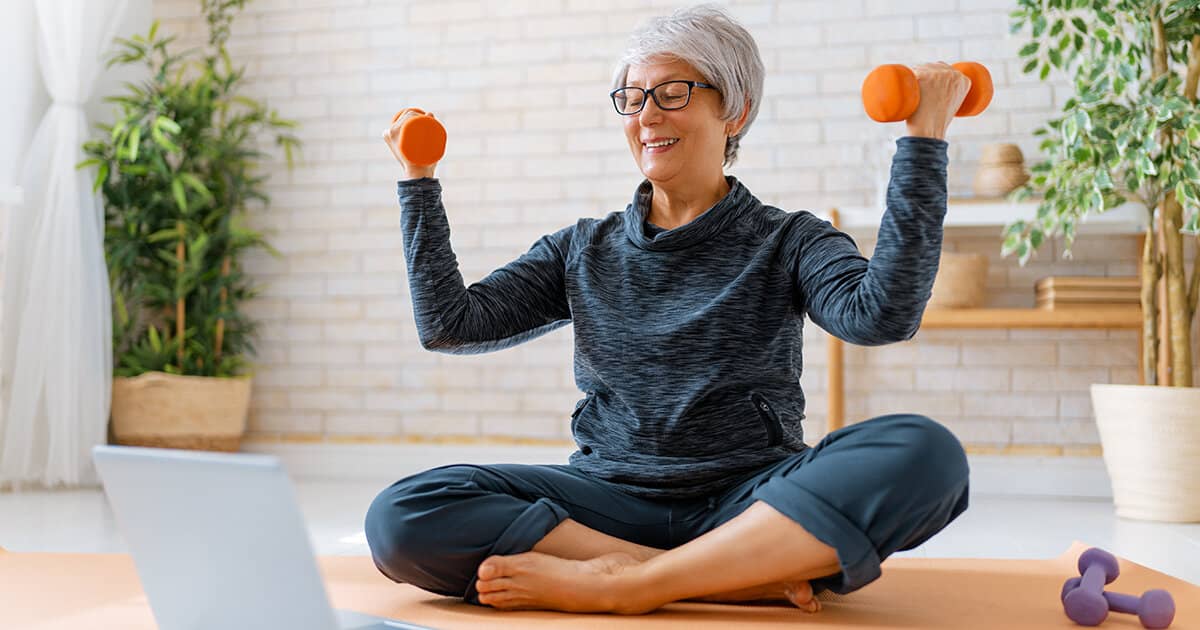
On the go? We have Osteofitness videos available for purchase! |
|
|
 |
$415.00
Video Package
Package includes twelve - one hour long videos of exercise instruction with Beverley and Kerri. Osteofitness™ classes... Read more |
|
|
|
Sleep is necessary for survival. The purpose of sleep is to allow the body to recharge in order to perform essential functions such as tissue repair, bone and muscle growth, strengthening the immune system, toxin removal, reinforcement of memory and learning. The Center for Disease Control recommends between 7 and 9 hours of sleep per night, with 7.5 hours being optimal.
However, 1 in 3 adults in the United States report not getting enough sleep. Individuals with osteoporosis report poorer sleep quality and less hours of sleep.
Lack of adequate sleep involves getting less than six and half hours of sleep per night. Long-term sleep deprivation may lead to a host of health problems including obesity, diabetes, hypertension, high blood pressure, stroke, kidney problems, cardiovascular disease and mental health problems. Other studies have found that both men and women who sleep less than seven hours per night have higher rates of low BMD, osteoporosis, bone remodeling, and falling and fracturing.
Sleep deprivation itself can lead to changes in the immune system and other conditions that impact bone metabolism. One of these changes can include an increase in cortisol, the long-term stress hormone. This hormone is related to both lower BMD and higher rates of insomnia.
However, getting too much sleep is also detrimental to health.
Regardless of age, sleeping more than nine hours per night is associated with higher rates of osteoporosis and fractures. It appears that sleeping the recommended amount is optimal for preventing osteoporosis. Research has also shown that a normal sleep pattern is also for optimal bone health. Individuals who work night shifts or have rotating shifts have higher rates of low BMD, osteoporosis, bone remodeling, and falling and fracturing.
Overall, it is best to get 7 to 9 hours of sleep per night, on a consistent schedule, with a nighttime sleep pattern, to prevent osteoporosis. Thus, it is critical to take steps to ensure a healthy sleep pattern. Some tips to improve sleep are included below.
For more information, please view our “Improve Your Sleep” workshop. This workshop is available as a recording and demonstrates multiple methods for ensuring restful sleep. Please email support@osteofitness.com to purchase this workshop.
Ten Recognized Tips to Improve Sleep
- Sleep in a cool and dark room. Eliminate electronics so that the room is completely dark.
- Have the last meal at least two hours before sleep. Avoid eating before bed. Limit caffeine and alcohol intake.
- Put all screens away two hours before bedtime.
- Train yourself into a relaxation routine that includes meditation, breathing, imagery or white noise.
- Write out a list of tasks for the next day so they are out of mind.
- Exercise 30-minutes five times per week.
- Find your circadian rhythm so you can wake up naturally without an alarm clock.
- Have a consistent routine before bed.
- Avoid naps late in the day.
- Engage in activities that you find relaxing before bed, such as journaling, reading, or yoga.
|
|
|
Want to learn more about inflammation and how to heal? Check out our video!
 |
$49.00 $41.65
Inflammation Workshop
The Inflammation workshop describes types of inflammation in the body and why inflammation happens. Key topics include... Read more |
|
|
|
Any consistent OsteofitnessTM member knows that Bev teaches the importance of hydration. Water is critical for most major functions in the human body. Water loss occurs naturally through the lungs and skin, but is exacerbated by sweating, exercise, high temperatures, dry air, diarrhea and vomiting, high altitudes, certain substances and medications, including alcohol, and certain medical conditions.
Other Risk Factors that Increase the Risk of Dehydration
o Not feeling thirsty
o Memory issues
o Being bed ridden
o Fear of falling when getting up
Dangers of Dehydration
o Urinary Tract Infections
o Aspirational Pneumonia
o Severely dry skin and pressure sores
o Cognitive Issues
o Kidney Stones and Function
o Low blood pressure
Irregular heartbeat
Seizures
Symptoms of dehydration include feeling thirsty or lightheaded, headaches, temperature regulation difficulty, dry mouth, tiredness, dark-colored and foul smelling urine, and passing less urine than usual. If dehydration persists and is left untreated, it can lead to brain damage, seizures, and even death.
The best way to treat hydration is to drink water! The recommended amount of water for an adult man is 15.5 cups per day and for women about 11.5 cups. This amount may vary based on age, diet, personal health, and physical activity level. In older adults, the sensation of thirst may be reduced, so individuals must be cognizant of how much water they are drinking.
Ways to add more water in your diet!
o Include food that has a higher water content like fresh fruits and veggies
o Keep a water bottle within easy reach
o Drink water with every meal
o Drink more water through the day so you can drink less near bedtime
o Drink more than 1 swallow of water when taking medications
o Drink even when not thirsty
o Set alarms on your phone every 1 -2 hours to drink water
|
|
|
Feeling hungry? Check out Dino's and get a discount!
Dino’s Kouzina & Pizzeria is a family-owned restaurant that specializes in serving delicious pizza and Italian / Greek cuisine to the Concord area community. They take pride in preparing food from scratch using only the freshest ingredients.
Dino's has a some delicious appetizers that are great for building healthy bones, like their Hummus Dip and Tzatziki Dip, and if you mention that you're a client of Ikier Wellness Center, you'll get 10% off those two appetizers.
|
|
|
You're receiving this email because you are a client of Ikier Wellness Center. If you no longer wish to receive these emails, you can update your Preferences or Unsubscribe· |
|
|
