Fall Risk Assessment
One of the hazards of aging is an increased risk of falling and fracturing. Falling for older adults, especially those with low bone mineral density (BMD) increases the risk of fracture. Fractures can be difficult and painful to heal from, reduce mobility and quality of life, and have even been related to increased mortality. This is why it is important to know one’s fall risk and take steps to reduce that risk.
Fall risks can be assessed through multiple means in clinical settings. Doctors may give individuals a questionnaire that asks fall history, mobility, lifestyle, and attitude about falling. A score greater than four on this questionnaire will warrant further assessment, where doctors evaluate gait, balance, and strength. Many factors contribute to fall-risk, one unavoidable factor is natural age-related changes. As individuals age muscles and bones weaken, postural sway increases, righting reflexes slow, step height and proprioception decreases, and visual response worsens. This means that all older adults can benefit from taking steps to reduce their fall risk.
Other factors may also increase the risk of falling. Vision and mobility difficulties, along with chronic pain and foot problems are physical conditions related to increased risk of falling. Mental health conditions, such as dementia and depression can also enhance fall-risk. Acute illnesses, especially those that impact mobility or the inner ear, are more conditions that impact fall-risk. Certain medications and substances such as alcohol, can contribute to an increased risk of falling. Specific lifestyle and environmental factors can influence this as well, such a being rushed or distracted when completing tasks, leaving clutter around the house, poor weather conditions, and poor lighting around the house.
Steps to Reduce Fall-Risk
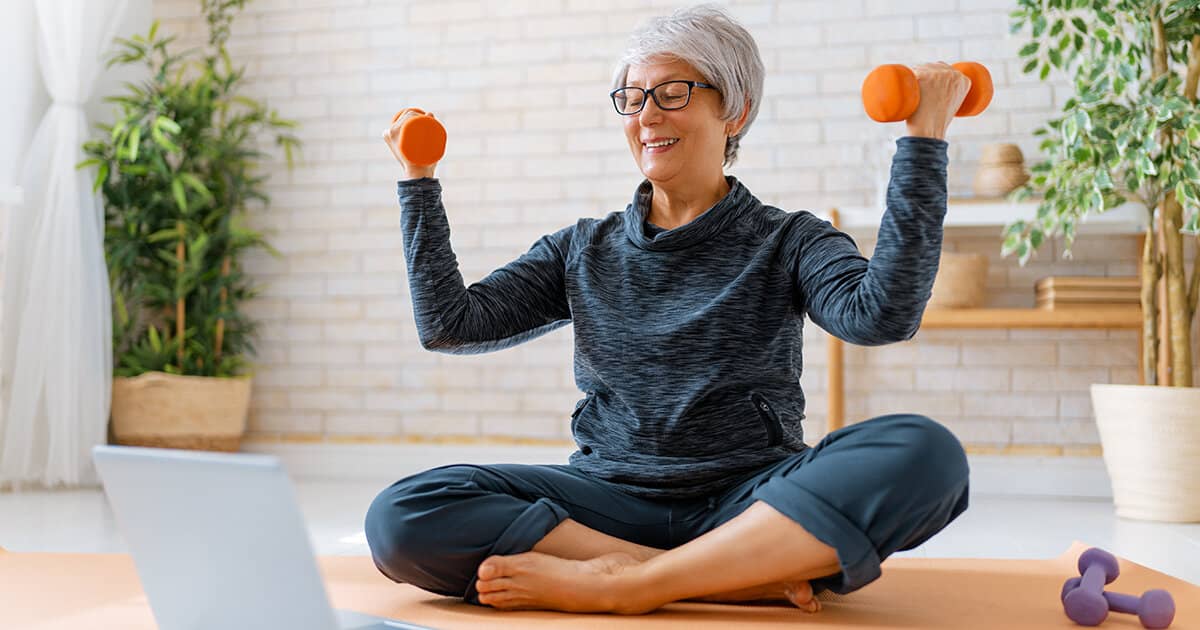
1. Exercise: The best way to reduce the risk of falling is exercise. Not all exercise is created equal, and exercises geared at muscle strengthening, and balance/ proprioceptive training will reduce fall risk. All exercise must be progressive, meaning it must increase in resistance over time. OsteofitnessTM incorporates this philosophy into the classes. Bev teaches progressive strengthening and balance/proprioception training, and encourages members to keep up with the exercises outside of class!
2. Conditions: Make sure to talk to your doctor and keep up with treatment for any chronic and acute conditions that enhance your fall-risk. For chronic pain and foot problems, seeing a massage therapist may be one suggestion to improve symptoms. Ikier treats these conditions with muscular therapy techniques and many members have found healing this way. If you wear glasses, make sure your prescription is up-to-date. Acute injuries may require physical therapy and specific exercises to regain mobility in the affected area.
3. Medication: Some medications may have side effects that increase the risk of falls. Tell your doctor about over-the-counter medications and supplements you take. You may also talk to your doctor about alternative medication that does not cause dizziness. Avoid alcohol and other substances that may increase your fall risk.
4. Practice Relaxation: If you find you are stressed and distracted when completing tasks, practice relaxation techniques. The Benson Breath, taught by Ikier in OsteofitnessTM , is one successful stress-reduction technique. Meditation and yoga, spending time in nature, and listening to music may be other ways to reduce your stress!
5. Make your home a risk-free zone: Another easy way to reduce falls is to fall-proof your home. Install handrails around your house on steps. Put a rubber bathmat and handrails or a chair, in your tub/shower. Place non-slip rugs and mats around your house. Install nightlights and make sure all halls are well-lit. Move clutter from hallways and areas where you could trip. These simple changes can dramatically reduce your risk of falls.
6. Outdoor conditions: Paying attention to weather conditions can reduce your fall risk! During wet or icy conditions, be extra aware of your surroundings and allow more time needed to reach your destination. Make sure to wear shoes with non -slip soles. During the winter, carry around salt or sand to reduce to slipperiness of ice/snow.
Interested in a free trial session?
We are offering free trial sessions for new guests! If you have a friend or a family member who has been wanting to get into exercise bring them in for an person session or a zoom session! Just let us know at support@osteofitness.com. We have in person classes Tuesdays & Thursdays at 12:30 and Zoom classes at 4pm on Tuesdays & Thursdays. All are welcome, and a referral discount of $25 will be applied for each member that signs up for at least three months!
Email us to let us know who you will bring!!
Osteofitness on the Go!!
Have a busy vacation schedule this summer? Try our Osteo-to-Go videos!
 |
$415.00
Video Package
Package includes twelve - one hour long videos of exercise instruction with Beverley and Kerri. Osteofitness™ classes... Read more |
Check out Bev's YouTube channel!
Bev has all her previous lectures about osteoporosis and osteopenia here. Each video contains information regarding bone density, osteoporosis wellness, sleep, exercise, and more!

